
How Does Hypoallergenic Sunscreen Protect Your Skin in Atlanta, GA?
Hypoallergenic sunscreen is formulated to protect sensitive skin by using gentle ingredients that minimize the risk of irritation and allergic reactions. It works by providing broad-spectrum protection against harmful UV rays, reducing the chances of sunburn and long-term skin damage. Dr. Jon E. Stahlman, MD, recommends hypoallergenic sunscreens for his patients to ensure safe and effective sun protection, especially for those with skin sensitivities or conditions like eczema. For more information, contact us or schedule an appointment online. We are conveniently located at 2987 Clairmont Rd #175, Atlanta, GA 30329.
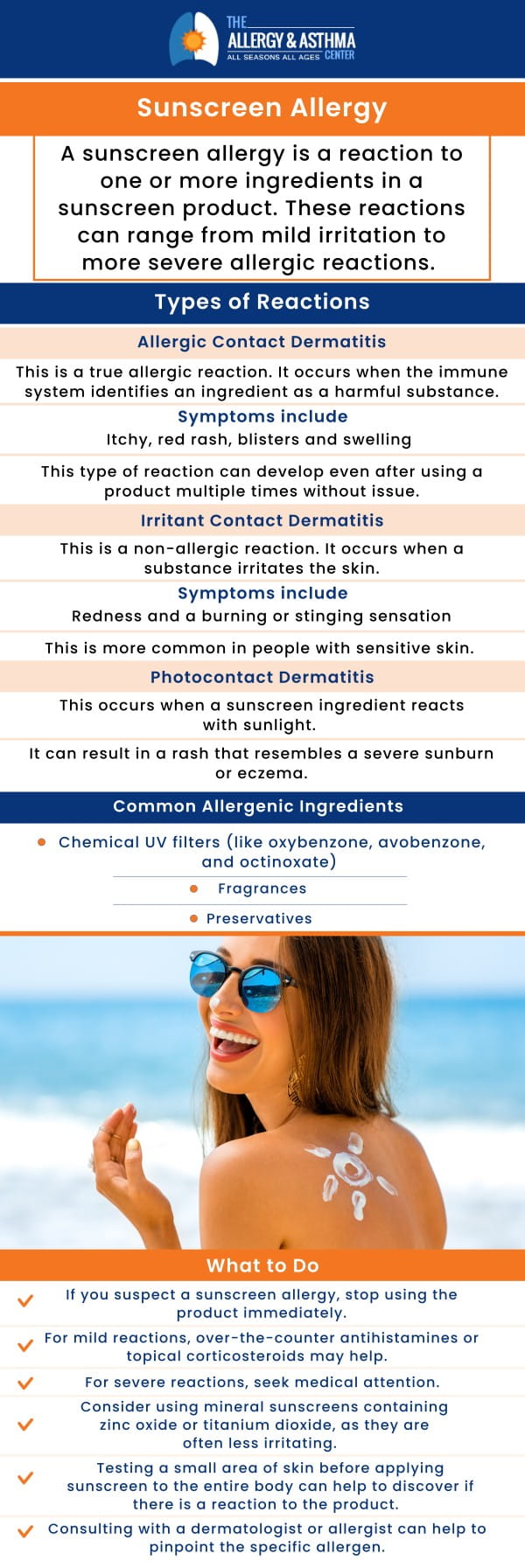
Table of Contents:
How does hypoallergenic sunscreen differ from regular sunscreen?
Is hypoallergenic sunscreen suitable for all skin types?
Can hypoallergenic sunscreen help with conditions like eczema or rosacea?
How can Dr. Jon E. Stahlman help me choose the best hypoallergenic sunscreen for my skin?
Hypoallergenic sunscreen differs from regular sunscreen in that it is specifically formulated to minimize the risk of allergic reactions. It is designed to be gentler on sensitive skin, often with fewer ingredients that are known to cause irritation or allergies. Regular sunscreen may contain fragrances, preservatives, or other chemical compounds that can trigger allergic reactions in people with sensitive skin. In contrast, hypoallergenic sunscreens are often free from these irritants and typically contain simpler, less reactive ingredients.
The active ingredients in hypoallergenic sunscreens may also differ slightly. Some hypoallergenic sunscreens use physical blockers, such as zinc oxide or titanium dioxide, which sit on top of the skin and reflect UV rays, making them less likely to irritate the skin compared to chemical sunscreens. These sunscreens are particularly beneficial for individuals with conditions like eczema, rosacea, or general skin sensitivities. However, both regular and hypoallergenic sunscreens are effective at blocking harmful UV rays, but hypoallergenic formulas cater specifically to those who need a gentler option for their skin.
If you have concerns about which type of sunscreen is best for you, Allergy & Asthma Center can provide personalized advice to help you choose the most suitable sunscreen for your skin type and needs.
Hypoallergenic sunscreen is generally suitable for most skin types, especially for individuals with sensitive or reactive skin. It is specifically formulated to minimize the risk of skin irritation, making it a safer option for people with conditions like eczema, rosacea, or allergies. The reduced number of potential allergens and irritants in hypoallergenic sunscreen makes it a good choice for individuals prone to skin reactions from traditional sunscreens.
However, while hypoallergenic sunscreen is less likely to irritate compared to regular sunscreen, it is essential to remember that every individual’s skin is unique. Some individuals may still experience sensitivity to specific ingredients, even in hypoallergenic formulations. For example, some hypoallergenic sunscreens use physical blockers such as zinc oxide or titanium dioxide, which can occasionally cause a white residue or irritation in some individuals.
If you have a specific skin condition or concern, it’s best to test a small amount of sunscreen on a small patch of skin before applying it to your face or body. Consulting with a dermatologist at Allergy & Asthma Center is a good way to ensure that hypoallergenic sunscreen is the right choice for your skin type.
Yes, hypoallergenic sunscreen can be helpful for individuals with skin conditions like eczema or rosacea. Both of these conditions often involve skin sensitivity and irritation, and regular sunscreens may contain ingredients that worsen symptoms. Hypoallergenic sunscreens are designed to reduce the risk of irritation and allergic reactions, making them a better option for people with these conditions.
For individuals with eczema, the skin barrier is already compromised, making it more vulnerable to irritation from environmental factors like the sun. Hypoallergenic sunscreen offers a gentle but effective solution to protect the skin from harmful UV rays without aggravating flare-ups. Sunscreens containing physical blockers, such as zinc oxide and titanium dioxide, are especially beneficial because they sit on top of the skin and do not penetrate deeply, reducing the risk of further irritation.
Similarly, individuals with rosacea may find that chemical sunscreens, which often contain fragrances or alcohols, trigger flare-ups. Hypoallergenic sunscreens, especially those with fewer ingredients and no harsh chemicals, are a safer option for preventing sun damage while managing rosacea symptoms. These sunscreens can provide the necessary protection without adding to skin inflammation or discomfort.
If you have eczema or rosacea and need advice on selecting the right sunscreen, Allergy & Asthma Center can help recommend the best hypoallergenic sunscreen for your skin condition.
Dr. Jon E. Stahlman, MD, at Allergy & Asthma Center can help you choose the best hypoallergenic sunscreen for your skin by assessing your skin type, any existing conditions, and specific needs. He will take into account factors like your sensitivity to certain ingredients, the severity of conditions like eczema or rosacea, and your lifestyle to recommend the most appropriate sunscreen for your daily routine.
Dr. Stahlman will provide personalized recommendations based on your skin’s tolerance to various ingredients. For example, if you have eczema or rosacea, he may suggest sunscreens that are free of fragrances, alcohols, and harsh chemicals. He may also recommend sunscreens with physical blockers such as zinc oxide or titanium dioxide, which are often gentler on the skin compared to chemical sunscreens.
Additionally, Dr. Stahlman will guide you on how to apply sunscreen properly for maximum protection, helping you avoid common issues like missed spots or over-application. By considering your lifestyle, whether you spend a lot of time outdoors or have a tendency to sweat, Dr. Stahlman can also recommend water-resistant options to ensure long-lasting protection. For more information, contact us or schedule an appointment online. We are conveniently located at 2987 Clairmont Rd #175, Atlanta, GA 30329. We serve patients from Lawrenceville GA, Atlanta GA, Conyers GA, Scottdale GA, Tucker GA, Rock Chapel Rd GA, Klondike Rd GA, Suwanee GA, Moon Place Rd GA and Dacula GA.
Check Out Our 5 Star Reviews


Additional Allergy & Asthma Services
▸ Allergy Shots
▸ Allergy Testing
▸ Asthma
▸ Bronchodilators
▸ Drug Allergy
▸ Food Allergy
▸ Insect Allergy
▸ Nasal/Sinus Allergies
▸ Pediatric Allergy
▸ Pediatric Asthma
▸ Skin Allergy
▸ Spring Allergies


