
Exercise and Sports Induced Asthma Specialist in Atlanta
Exercise can sometimes aggravate asthma symptoms. This is referred to as exercise-induced bronchoconstriction. Our board-certified allergists, Dr. Jon E. Stahlman, MD, and Dr. Deidre D. Crocker, MD, explain that exercise-induced asthma develops when the airways narrow as a result of physical activity. Learn about exercise- and sports-induced asthma from the asthma specialists near you. For more information, contact us or book an appointment online. We are conveniently located at 2987 Clairmont Rd #175, Atlanta, GA 30329.
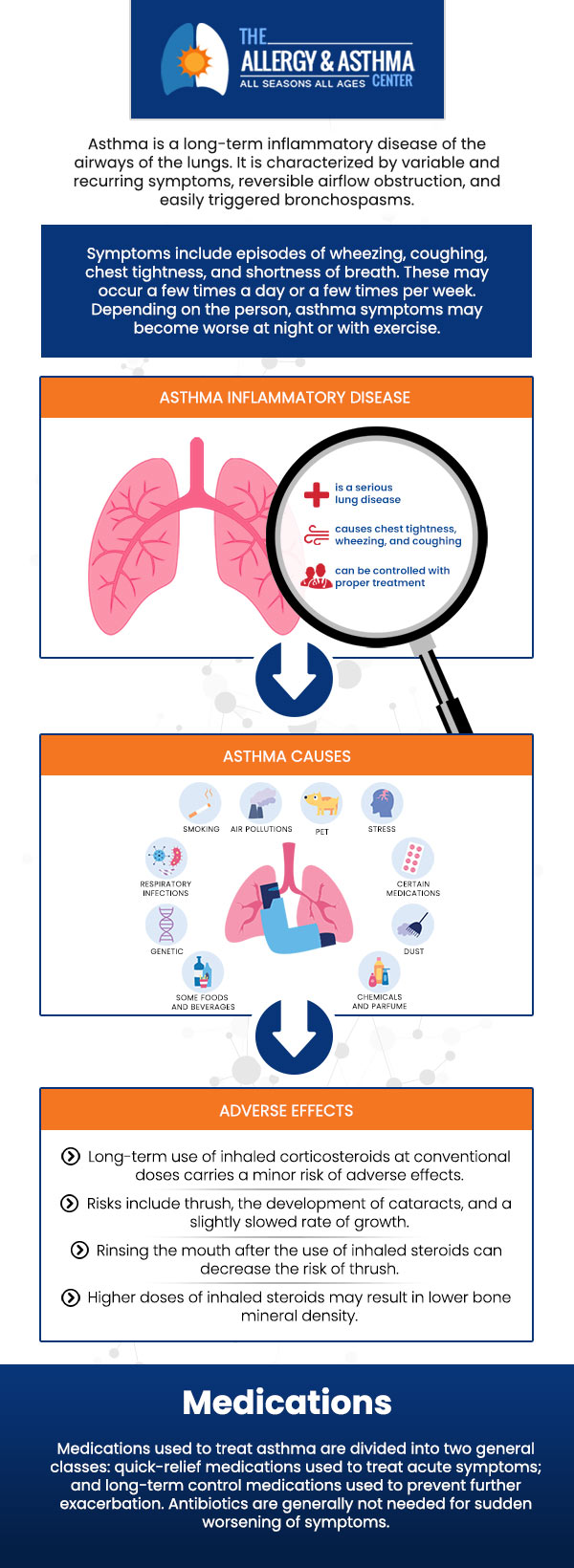
Table of Contents:
What is exercise-induced asthma?
How is exercise-induced asthma diagnosed?
How is exercise-induced asthma treated?
Can I still play sports or exercise safely if I have exercise-induced asthma?
Why should I trust board-certified allergists at The Allergy & Asthma Center with my exercise-induced asthma?
Asthma is a common condition that affects millions of people worldwide. Common symptoms of asthma include coughing, wheezing, chest tightness, and shortness of breath. For those whose symptoms are precipitated by exercise, they are often diagnosed with exercise-induced asthma (EIA) or sports-induced asthma. Exercise-induced asthma is caused by the lungs’ response to cold, dry air. Physicians believe it is the quick change in temperature or moisture that irritates the muscles in the lining of the lungs, resulting in coughing and the sensation of chest tightening. At times, EIA may only present with the symptom of coughing. EIA, especially if untreated, can limit one’s ability to participate in sports or vigorous exercise.
With proper evaluation and management, people with exercise-induced asthma can often remain active and participate comfortably in sports and other physical activities. Symptoms may be more noticeable during strenuous exercise, in cold weather, or when exposed to allergens or irritants. An asthma specialist can assess breathing patterns, identify possible triggers, and develop an individualized care plan designed to help reduce symptoms and support safe, consistent physical activity.
In most cases, EIA can be diagnosed by history and most specifically by the timing of the symptoms. Symptoms of cough or wheezing typically occur after the first 5-10 minutes of activity and usually improve when the individual stops exercising. Sometimes the symptoms are only present when the exercising individual is exposed to very cold or dry air. Pulmonary function tests are commonly normal at baseline, and it is sometimes necessary for a physician to perform pulmonary function tests before and after exercise to help make the diagnosis. A trial of medications may be prescribed to ascertain whether they eliminate the symptoms of EIA.
In some situations, additional breathing tests may be used to confirm whether exercise is causing temporary narrowing of the airways. An asthma specialist may evaluate lung function before and after controlled physical activity and review factors such as symptom frequency, exercise intensity, environmental conditions, and other possible respiratory triggers. A careful evaluation can help distinguish exercise-induced asthma from other conditions that may cause coughing, wheezing, or shortness of breath during activity.
Treating exercise-induced asthma, also known as exercise-induced bronchoconstriction, involves a combination of preventive medications and strategic lifestyle adjustments to keep airways open during physical activity. The most common and effective medical treatment is the use of a prescribed short-acting beta-agonist (SABA), such as an albuterol inhaler. Patients typically use this specific medication fifteen to thirty minutes before exercising to relax airway muscles and prevent constriction.
For individuals who experience frequent symptoms or also have chronic underlying asthma, doctors may prescribe daily controller medications. These often include inhaled corticosteroids to reduce airway inflammation or oral leukotriene modifiers, which block the chemicals that cause airways to tighten. Beyond medication, practicing specific breathing and exercise techniques is highly crucial. A proper ten- to fifteen-minute warm-up and cool-down period helps the lungs naturally adjust to rapidly changing oxygen demands. Additionally, because cold, dry air is a primary trigger, breathing through the nose or wearing a scarf over the mouth during winter workouts helps warm and humidify the air before it reaches the lungs.
Absolutely. Having exercise-induced asthma (also known as exercise-induced bronchoconstriction) does not mean you have to give up your favorite sports, workouts, or an active lifestyle. As specialists in sports-induced asthma, our Atlanta team helps athletes of all ages manage their symptoms effectively so they can perform at their best.
During physical activity, especially in cold or dry air, your airways can narrow, causing coughing, wheezing, and shortness of breath. To combat this, our board-certified allergists will work closely with you to develop a personalized asthma action plan. This often includes using a prescribed short-acting bronchodilator (inhaler) 15 to 30 minutes before exercising to prevent airway constriction before it starts. We also guide you on proper warm-up and cool-down routines and how to monitor your lung function. With the right preventive care and expert guidance from our team, you or your child can safely continue to enjoy competitive sports and daily exercise without being sidelined
At The Allergy & Asthma Center, our board-certified allergists, Dr. Jon E. Stahlman, MD, and Dr. Deidre D. Crocker, MD, bring decades of specialized expertise in diagnosing and managing exercise-induced asthma. They understand that every athlete, child, and fitness enthusiast has unique physical demands and goals. Rather than using a one-size-fits-all approach, Dr. Stahlman and Dr. Crocker perform comprehensive evaluations, including pulmonary function testing, to evaluate your precise airway sensitivity.
They then craft individualized management plans that incorporate targeted preventive medications, optimal warm-up protocols, and environmental trigger strategies. By combining advanced clinical diagnostic tools with compassionate, patient-centered care, our Atlanta medical team ensures you can train, compete, and enjoy an active lifestyle with confidence. If shortness of breath or wheezing is keeping you from doing what you love, schedule a consultation with Dr. Stahlman or Dr. Crocker today to get back in the game. For more information, contact us or book an appointment online. We are conveniently located at 2987 Clairmont Rd #175, Atlanta, GA 30329. We serve patients from Atlanta GA, Brookhaven GA, Chamblee GA, Decatur GA, Dunwoody GA, Tucker GA, Sandy Springs GA, and the surrounding areas.
Check Out Our 5 Star Reviews


Additional Allergy & Asthma Services
▸ Allergy Shots
▸ Allergy Testing
▸ Asthma
▸ Bronchodilators
▸ Drug Allergy
▸ Food Allergy
▸ Insect Allergy
▸ Nasal/Sinus Allergies
▸ Pediatric Allergy
▸ Pediatric Asthma
▸ Skin Allergy
▸ Spring Allergies


