
How to Treat Allergic Rhinitis in Atlanta, GA?
At Allergy & Asthma Center, our board-certified allergists, Dr. Jon E. Stahlman, MD, and Dr. Deidre D. Crocker, MD, provide professional care for patients suffering from allergic rhinitis. This common condition can cause sneezing, nasal congestion, itchy eyes, and other disruptive symptoms triggered by allergens like pollen, dust, or pet dander. Our team works closely with each patient to identify specific triggers and develop a personalized treatment plan. For more information, please contact us or book an appointment online. We are conveniently located at 2987 Clairmont Rd #175, Atlanta, GA 30329.
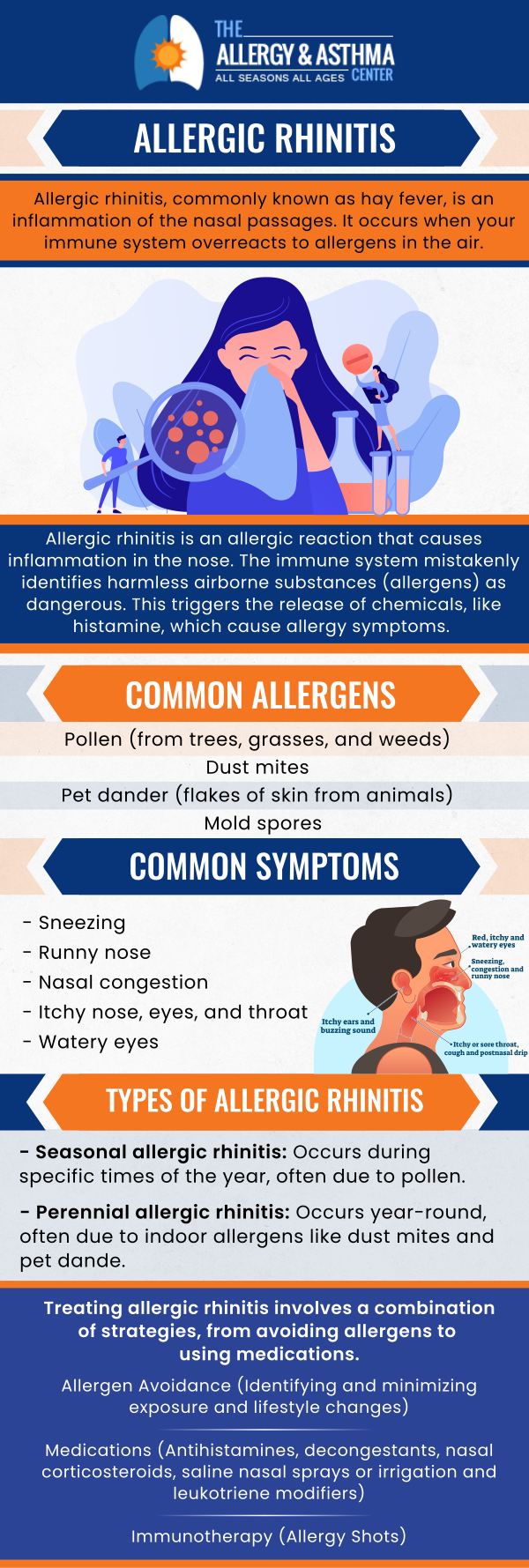
Table of Contents:
What is allergic rhinitis?
Is allergic rhinitis a chronic condition?
What lifestyle changes can help manage allergic rhinitis?
How long does it take for allergic rhinitis treatments to work?
How can board-certified allergists at The Allergy & Asthma Center help with allergic rhinitis treatment?
Allergic rhinitis can be seasonal (triggered by outdoor allergens like pollen during certain times of the year) or perennial (persisting year-round due to indoor allergens such as dust or pets). Regardless of the type, the symptoms can interfere with sleep, concentration, and daily activities, affecting your overall quality of life.
Our experienced team provides comprehensive care for allergic rhinitis. We begin with a thorough evaluation, including a detailed history, physical examination, and—when appropriate—allergy testing to identify your specific triggers. Our goal is to create a personalized treatment plan, which may include:
Allergen avoidance strategies
●Medications such as antihistamines, nasal corticosteroids, and decongestants
●Allergy immunotherapy (allergy shots or drops) for long-term relief
If you or a loved one suffers from persistent allergy symptoms, the Allergy & Asthma Center is here to help you breathe easier and improve your quality of life. Contact us today to schedule an appointment and take the first step toward effective allergy management.
We often see patients struggling with allergic rhinitis, a chronic condition caused by the immune system’s heightened response to common allergens like pollen, dust mites, pet dander, or mold. This overreaction can lead to symptoms such as sneezing, nasal congestion, a runny nose, and itchy eyes.
Allergic rhinitis can present as either seasonal (triggered by specific times of the year, such as spring or fall) or perennial (with symptoms that persist year-round). No matter the pattern, the underlying immune sensitivity remains, making it a long-term condition that often requires ongoing management.
While there is no cure for allergic rhinitis, our specialists at the Allergy & Asthma Center work with patients to create personalized treatment plans. These may include medications, lifestyle modifications, and allergen avoidance strategies to help control symptoms and minimize flare-ups. Regular follow-up visits with our experienced providers are key to monitoring your condition, adjusting your treatment as needed, and improving your overall quality of life.
Our specialists recommend identifying your specific triggers through allergy testing at our center. For those sensitive to pollen, we advise keeping windows closed during peak pollen seasons, using air conditioning, and showering after outdoor activities. These simple steps, along with monitoring local pollen counts, can help prevent flare-ups. For dust mite allergies, we suggest using dust-mite-proof covers on pillows and mattresses, washing bedding weekly in hot water, and managing indoor humidity. These measures, combined with regular cleaning and vacuuming using a HEPA filter, can make your home a safer environment.
●Pet Dander & Mold:
If pet dander is a concern, we recommend limiting pets to certain areas of your home, keeping them out of bedrooms, and bathing them regularly. For those with mold allergies, controlling moisture in your home, promptly fixing any leaks, and thoroughly cleaning damp areas like bathrooms and basements can help minimize exposure.
●Avoiding Irritants:
Steering clear of cigarette smoke and strong odors—such as perfumes or cleaning products—can make a noticeable difference. These irritants are known to worsen allergic rhinitis symptoms.
●Nasal Care & Healthy Lifestyle:
We often teach our patients about nasal hygiene, such as saline nasal rinses, to help clear allergens from the nasal passages. Maintaining balanced nutrition, staying hydrated, exercising regularly, and getting enough sleep all support your immune system and overall well-being.
●Personalized Care:
At the Allergy & Asthma Center, our team is here to help you identify your specific triggers and develop a management plan tailored to your needs. If you’re struggling with allergic rhinitis, schedule a consultation with us. Together, we can help you breathe easier and take control of your allergies.
At the Allergy & Asthma Center, we understand how important it is to find fast and effective relief from allergic rhinitis symptoms. The time it takes for treatments to work can vary based on the specific medication and your individual symptoms.
Antihistamines, which are commonly prescribed at our center to address sneezing, itching, and a runny nose, typically start to provide relief within 30 minutes to an hour after taking them. Nasal corticosteroid sprays, another treatment we often recommend, may require a bit more patience—some patients notice improvement within 12 hours, but it often takes several days to two weeks of regular use to experience the full benefits.
For those with significant nasal congestion, decongestant nasal sprays can offer quick relief, sometimes within minutes. However, at Allergy & Asthma Center, we generally advise using them only for short periods, as prolonged use can lead to rebound congestion.
In some cases, we may prescribe leukotriene receptor antagonists (such as montelukast), which usually take a few days to begin working. For patients undergoing allergen immunotherapy—including allergy shots or sublingual tablets provided by our specialists—it’s important to know that significant improvement can take several months, as your body gradually builds tolerance to allergens.
Our board-certified allergists, Dr. Jon E. Stahlman, MD, and Dr. Deidre D. Crocker, MD, provide comprehensive care for patients suffering from allergic rhinitis. We begin with a thorough evaluation that typically includes a detailed medical history, physical examination, and allergy testing to accurately identify specific triggers such as pollen, dust mites, pet dander, or mold.
Based on the findings of your assessment, our providers develop a personalized treatment plan tailored to your unique needs. Treatment often starts with education about allergen avoidance, offering practical strategies to help you modify your environment and reduce exposure to known triggers.
Our team also prescribes a range of evidence-based pharmacologic therapies—including antihistamines, nasal corticosteroids, and decongestants—to effectively relieve symptoms such as sneezing, nasal congestion, and itching. For patients who do not respond adequately to medications or wish to minimize long-term medication use, we offer immunotherapy options, including allergy shots and sublingual tablets. Immunotherapy works to desensitize your immune system to specific allergens, providing long-term relief from symptoms.
Our providers offer ongoing follow-up care to monitor your progress and adjust your treatment plan as needed. With our patient-centered approach, we strive to improve your quality of life and minimize the impact of allergic rhinitis on your daily activities. For more information, please contact us or book an appointment online. We are conveniently located at 2987 Clairmont Rd #175, Atlanta, GA 30329. We serve patients from Atlanta GA, Brookhaven GA, Chamblee GA, Decatur GA, Dunwoody GA, Tucker GA, Sandy Springs GA, and the surrounding areas.
Check Out Our 5 Star Reviews


Additional Allergy & Asthma Services
▸ Allergy Shots
▸ Allergy Testing
▸ Asthma
▸ Bronchodilators
▸ Drug Allergy
▸ Food Allergy
▸ Insect Allergy
▸ Nasal/Sinus Allergies
▸ Pediatric Allergy
▸ Pediatric Asthma
▸ Skin Allergy
▸ Spring Allergies


