
Allergic Rhinitis Treatment in Atlanta, GA
If you’re struggling with allergic rhinitis, relief is possible with the right treatment. Our board-certified allergists, Dr. Jon E. Stahlman, MD, and Dr. Deidre D. Crocker, MD, at Allergy & Asthma Center in Atlanta, GA, offer comprehensive care for managing allergy symptoms like nasal congestion, sneezing, and itching. By tailoring treatments such as medications, allergy shots, and lifestyle changes, we help patients find lasting relief. For more information, please contact us or book an appointment online. We are conveniently located at 2987 Clairmont Rd #175, Atlanta, GA 30329.
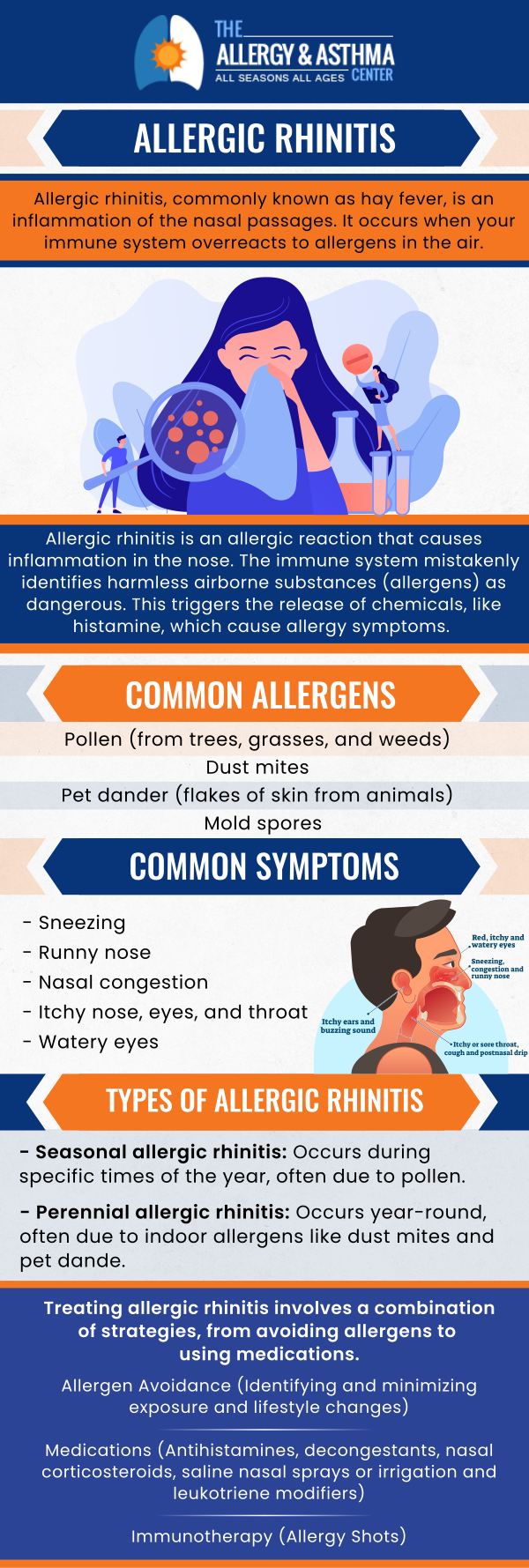
Table of Contents:
How long does it take for allergic rhinitis treatments to work?
Are there any natural treatments for allergic rhinitis?
How do seasonal changes affect allergic rhinitis?
Do board-certified allergists offer treatments for allergic rhinitis that don’t involve medications?
At the Allergy & Asthma Center, we know how frustrating allergy symptoms can be—especially when you’re searching for fast, effective relief. The timeline for improvement depends on the type of treatment and the severity of your allergic rhinitis symptoms. Here’s what you can expect from commonly used therapies at our practice:
●Antihistamines (tablets or nasal sprays) are often the first line of defense and typically begin to ease symptoms like sneezing, itching, and a runny nose within 30 minutes to an hour. Maximum relief is usually felt after a few hours.
●Decongestant nasal sprays can work even faster, often providing relief within minutes. However, at the Allergy & Asthma Center, our providers recommend these only for short-term use to avoid potential side effects.
●Intranasal corticosteroid sprays, a cornerstone of allergy care, may take a bit longer to reach their full effect. Some patients notice improvement within 12 hours, but it often takes several days—and sometimes up to two weeks—of daily use to experience the best results.
●Allergen avoidance is another strategy we personalize for our patients. If you’re able to avoid your specific triggers, you may notice symptoms improve quickly, though some effects can linger for a few days.
●Allergen immunotherapy (allergy shots or sublingual tablets) is available at the Allergy & Asthma Center for long-term relief. This treatment gradually desensitizes your immune system, but it may take several months before you notice significant improvement.
Our board-certified specialists at the Allergy & Asthma Center will work with you to create a tailored treatment plan and guide you on what to expect. Remember, consistent use of your prescribed treatments is key to achieving the best outcome.
At Allergy & Asthma Center, we recognize that many of our patients are interested in natural ways to help manage allergic rhinitis symptoms alongside conventional treatments. While these approaches can sometimes provide additional relief, they should generally be used to complement, not replace, the medical therapies recommended by our board-certified allergists.
●Saline Nasal Irrigation: One of the most effective natural methods is saline nasal irrigation, which involves rinsing the nasal passages with a saline solution to help remove allergens and mucus. This can decrease congestion and sneezing and is often performed using a neti pot or over-the-counter saline nasal sprays. Our providers can offer guidance on safe and effective use.
●Quercetin and Butterbur: Certain supplements, such as quercetin (a plant-based flavonoid found in apples, onions, and berries), have been studied for their potential anti-inflammatory and antihistamine effects. Butterbur, an herbal remedy, may also reduce allergy symptoms. However, supplements can interact with other medications and, in the case of butterbur, must be free of harmful pyrrolizidine alkaloids.
●Local Honey: While some believe that consuming local honey can help build tolerance to pollen, scientific evidence is limited. If you’re interested in this approach, discuss it with your provider to understand its role in your overall allergy management plan.
●Environmental Controls: Maintaining a clean indoor environment is another important natural strategy. At Allergy & Asthma Center, we can advise you on practical steps such as reducing dust mites and pet dander, using HEPA air purifiers, and keeping windows closed during peak pollen seasons to lessen allergen exposure.
For personalized recommendations—including safe integration of natural remedies—schedule an appointment with one of our specialists at Allergy & Asthma Center. Your comfort and well-being are our top priorities.
At the Allergy & Asthma Center, we understand how deeply seasonal changes can affect patients with allergic rhinitis, commonly known as hay fever. This condition is triggered when allergens—such as pollen, mold spores, and dust mites—provoke an immune response in sensitive individuals. Throughout Columbus’s changing seasons, especially during the spring, summer, and early fall, pollen from trees, grasses, and weeds is abundant in the air, leading to a noticeable increase in allergy symptoms like sneezing, nasal congestion, runny nose, and itchy or watery eyes.
Seasonal temperature and humidity shifts also play a major role in allergic rhinitis. Warmer weather encourages mold growth and increases pollen levels, while high humidity can boost dust mite populations. Alternatively, colder weather often drives families indoors, heightening exposure to indoor allergens like pet dander, dust mites, and indoor molds.
Weather patterns—such as wind and rain—can further influence your symptoms. Wind can carry pollen and mold spores over large distances, worsening allergies even if the plants or molds aren’t nearby. Rain may briefly clear pollen from the air, but it can also foster mold growth afterwards.
Our team at the Allergy & Asthma Center is dedicated to helping you recognize how these seasonal factors impact your allergy symptoms, so you can better manage your allergic rhinitis year-round. We offer comprehensive allergy testing to identify your unique triggers and tailored treatment plans, including preventive strategies like starting medications before allergy season, using air filtration at home, and guidance on limiting outdoor exposure during peak pollen times.
At the Allergy & Asthma Center, our board-certified allergists, Dr. Jon E. Stahlman, MD, and Dr. Deidre D. Crocker, MD, provide a comprehensive approach to managing allergic rhinitis. While medications such as antihistamines and nasal corticosteroids are commonly used, many of our patients are interested in non-pharmacological options to help control their symptoms.
Dr. Jon may recommend a variety of environmental control measures aimed at reducing your exposure to common allergens like pollen, dust mites, pet dander, and mold. These strategies can include using high-efficiency particulate air (HEPA) filters in your home, washing bedding in hot water on a regular basis, and maintaining low indoor humidity levels.
For patients seeking long-term relief, we offer allergen immunotherapy—commonly known as allergy shots or sublingual tablets. This treatment gradually desensitizes your immune system to specific allergens, reducing your symptoms over time and potentially decreasing your need for medications. We also advise on the use of saline nasal irrigation, a simple and effective method for clearing nasal passages and easing congestion.
In addition, our specialists recommend lifestyle modifications such as keeping windows closed during high pollen seasons and showering after spending time outdoors. These practical steps can significantly help control allergic rhinitis symptoms without relying solely on medication.
At the Allergy & Asthma Center, we believe in individualized care. Our providers work closely with you to develop a personalized management plan that fits your needs and preferences, including non-pharmacological therapies for allergic rhinitis. For more information, please contact us or book an appointment online. We are conveniently located at 2987 Clairmont Rd #175, Atlanta, GA 30329. We serve patients from Lawrenceville GA, Atlanta GA, Conyers GA, Scottdale GA, Tucker GA, Rock Chapel Rd GA, Klondike Rd GA, Suwanee GA, Moon Place Rd GA and Dacula GA.
Check Out Our 5 Star Reviews


Additional Allergy & Asthma Services
▸ Allergy Shots
▸ Allergy Testing
▸ Asthma
▸ Bronchodilators
▸ Drug Allergy
▸ Food Allergy
▸ Insect Allergy
▸ Nasal/Sinus Allergies
▸ Pediatric Allergy
▸ Pediatric Asthma
▸ Skin Allergy
▸ Spring Allergies


