
Dermatitis Rash: Causes, Symptoms, and Treatments in Lawrenceville, GA
Dermatitis rash is a common skin condition that causes redness, itching, and inflammation, often triggered by irritants, allergens, or genetic factors. Symptoms can range from mild dryness and flaking to more severe swelling and blisters. Dr. Jon E. Stahlman, MD, at Allergy & Asthma Center, specializes in treating dermatitis, offering a variety of treatment options, including topical creams, antihistamines, and lifestyle modifications to manage flare-ups. For more information, contact us or book an appointment online. We are conveniently located at 565 Old Norcross Rd. Lawrenceville, GA, 30046.
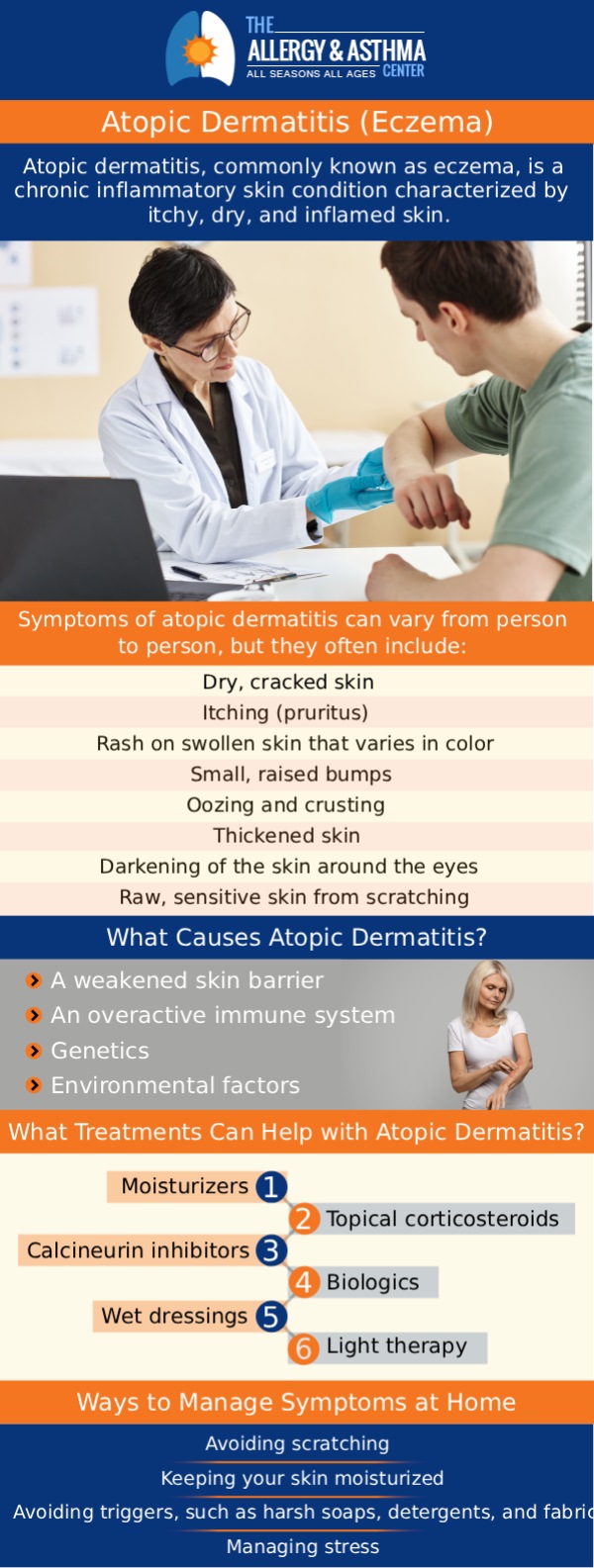
Table of Contents:
How is dermatitis rash diagnosed?
Can dermatitis rash go away on its own?
What are the common symptoms of dermatitis rash?
How can Dr. Jon E. Stahlman, MD treat dermatitis rash?
At Allergy & Asthma Center, our specialists are experienced in diagnosing and treating dermatitis rashes, which are often closely linked to allergies and environmental triggers. The diagnostic process starts with a comprehensive medical history, where our providers will ask about the onset, duration, and pattern of your rash, as well as potential exposures to allergens such as certain foods, pollens, pet dander, new skincare products, or household chemicals. We also review any personal or family history of allergies, asthma, or eczema, as these conditions frequently overlap.
During your visit, our clinicians will perform a detailed examination of your skin to look for classic signs of dermatitis, such as redness, swelling, dryness, or blisters. Because allergies are a common cause of skin rashes, we may recommend allergy testing, such as skin prick or patch testing, to identify specific triggers that may be causing or worsening your symptoms. In some cases, further tests—like skin scrapings, biopsies, or blood work—may be necessary to rule out infections or other underlying conditions.
Our approach combines expert clinical evaluation with advanced allergy testing when needed, ensuring an accurate diagnosis and the most effective treatment plan for your dermatitis. At Allergy & Asthma Center, we are committed to helping you identify your triggers and manage your symptoms for healthier skin and improved quality of life.
It depends on the type and cause. For example, mild irritant contact dermatitis may improve if you avoid the triggering irritant (like a harsh soap or chemical) and take care of your skin. However, many cases we see—such as atopic dermatitis (eczema) or allergic contact dermatitis—are tied to the immune system or allergic reactions. These often require targeted treatments and may persist or worsen if not managed properly. Allergic contact dermatitis occurs when your skin reacts to something you’re allergic to, such as certain metals, fragrances, or plants. Atopic dermatitis is also closely linked to allergies and asthma, and many people with eczema have a personal or family history of allergies.
If your rash lasts more than a couple of weeks, spreads, becomes infected (with signs like increased redness, pain, warmth, or pus), or disrupts your daily activities, it’s important to consult with specialists like those at the Allergy & Asthma Center. We can help identify triggers—often through allergy testing—and create a personalized treatment plan, which may include topical medications, moisturizers, or other therapies. While some mild rashes may resolve once the trigger is removed, many forms of dermatitis—especially those related to allergies—benefit from expert care. If you’re struggling with persistent or severe dermatitis, we are here to help you find relief and prevent future flare-ups. Contact us today to schedule an appointment.
At Allergy & Asthma Center, we frequently see patients who are struggling with dermatitis—a skin condition that can often be linked to allergies or sensitivities. Dermatitis rash typically presents with several recognizable symptoms on the affected areas of the skin. Common signs include redness, swelling, and itchiness, which may cause significant discomfort. The skin can also become dry, scaly, or even develop small blisters or bumps, which may ooze or crust over if irritated. In chronic cases, the skin might thicken, crack, or develop a burning or stinging sensation.
Because dermatitis is often triggered or worsened by allergic reactions—including environmental allergens, certain foods, or contact with specific substances—identifying the root cause is essential for effective treatment. Our team specializes in diagnosing the underlying triggers of dermatitis, whether they are related to allergies, asthma, or other sensitivities. We use advanced testing methods to pinpoint what’s causing your symptoms and create a personalized treatment plan to help you manage and prevent future flare-ups.
At the Allergy & Asthma Center, our team—led by Dr. Jon E. Stahlman, MD—specializes in the comprehensive diagnosis and management of dermatitis rashes, including those triggered by allergies or asthma-related conditions. When you visit our center with concerns about a dermatitis rash, Dr. Stahlman will begin by conducting a thorough evaluation of your medical history, allergy profile, and any potential environmental exposures. This allows us to identify the specific type of dermatitis, such as atopic dermatitis (often linked to allergies and asthma), contact dermatitis (from irritants or allergens), or seborrheic dermatitis.
As part of your personalized care plan, Dr. Stahlman may recommend topical treatments, such as corticosteroid creams or non-steroidal agents, to reduce inflammation and soothe itching. Our approach often includes advanced moisturizers to help repair and protect your skin barrier, which is especially important for patients with allergic sensitivities. If an allergic trigger is suspected, our center offers comprehensive allergy testing—including patch testing—to identify specific irritants or allergens responsible for your symptoms. Based on these results, we provide targeted allergen avoidance strategies to help prevent future flare-ups.
In more severe cases or if infection is present, Dr. Stahlman can prescribe oral medications or antibiotics as necessary. We also emphasize patient education: you’ll receive guidance on gentle skin care routines, recommended products, and ways to minimize exposure to common irritants and allergens.
At the Allergy & Asthma Center, our goal is to help you achieve lasting relief from dermatitis by addressing both the symptoms and underlying causes, while offering ongoing monitoring and adjustment of your treatment plan for optimal results. For more information, please contact us or book an appointment online. We have convenient locations to serve you in Lawrenceville GA, Atlanta GA, and Conyers GA. We serve patients from Lawrenceville GA, Atlanta GA, Conyers GA, Scottdale GA, Tucker GA, Rock Chapel Rd GA, Klondike Rd GA, Suwanee GA, Moon Place Rd GA and Dacula GA.
Check Out Our 5 Star Reviews


Additional Allergy & Asthma Services
▸ Allergy Shots
▸ Allergy Testing
▸ Asthma
▸ Bronchodilators
▸ Drug Allergy
▸ Food Allergy
▸ Insect Allergy
▸ Nasal/Sinus Allergies
▸ Pediatric Allergy
▸ Pediatric Asthma
▸ Skin Allergy
▸ Spring Allergies


