
How to Reduce Allergy Shot Side Effects?
Allergy shots, while generally safe, can sometimes cause side effects such as swelling at the injection site, mild irritation, or more serious reactions in rare cases. To minimise these side effects, it’s important to follow the prescribed schedule and monitor any reactions closely. Patients are advised to stay in the clinic for a short time after each injection. Dr. Jon E. Stahlman, MD, at Allergy & Asthma Centre, recommends discussing any concerns and adjusting the dosage if necessary to ensure the best results with minimal discomfort. For more information, please contact us or book an appointment online. We have convenient locations to serve you in Lawrenceville GA, Atlanta GA, and Conyers GA.
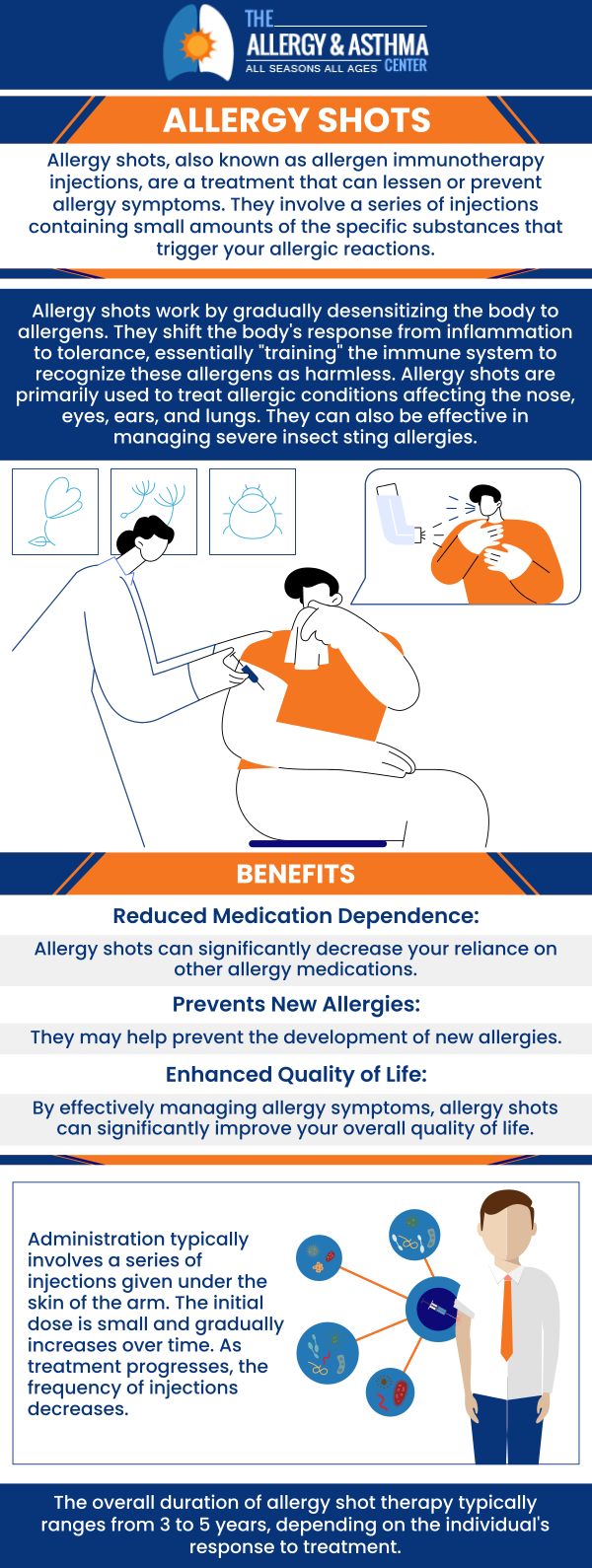
Table of Contents:
Can applying ice help reduce swelling after an allergy shot?
What should you do if side effects worsen with each shot?
Does staying hydrated help reduce allergy shot side effects?
How long should you wait at the Allergy & Asthma Centre after receiving a shot?
Yes, applying ice can help reduce swelling after an allergy shot. Swelling at the injection site is a common side effect, and it typically occurs due to the body’s reaction to the allergen in the shot. Ice packs can help by constricting the blood vessels, reducing blood flow to the area and minimising inflammation. Applying ice for 10-15 minutes after receiving an allergy shot can be an effective way to alleviate swelling and discomfort. It is important, however, to avoid placing the ice directly on the skin. Always wrap the ice pack in a cloth or towel to prevent frostbite.
At the Allergy & Asthma Center patients are advised to monitor the injection site for any reactions and use ice as needed to manage swelling or minor irritation. While swelling is usually mild and temporary, if the reaction worsens or persists for more than a few hours, patients should reach out to their healthcare provider.
Along with ice, over-the-counter antihistamines may be suggested to relieve any additional itching or discomfort. Keeping the area clean and avoiding excessive pressure on the site will also promote faster healing. If swelling or any other side effects become more severe over time, contact the Allergy & Asthma Centre for further guidance.
If side effects worsen with each allergy shot, it is essential to consult your healthcare provider immediately. While mild side effects like swelling, redness, or itching at the injection site are common, increasing severity over time may indicate an allergic reaction or other complications. If side effects persist or become worse, it’s important to inform your doctor at the Allergy & Asthma Centre. They may adjust the dosage, change the type of allergen extract, or switch to a different treatment approach.
It’s also crucial to monitor your symptoms carefully. If you experience symptoms such as difficulty breathing, dizziness, swelling in the throat, or hives, these could be signs of a more serious allergic reaction known as anaphylaxis. In this case, you should seek immediate medical attention.
The Allergy & Asthma Centre staff will closely monitor patients to ensure that they are progressing safely with allergy shots. If you are finding that side effects continue to worsen despite adjustments, your doctor may recommend additional tests or a reassessment of your allergy treatment plan. Your health and safety are the top priority, and any worsening symptoms will be taken seriously to ensure appropriate steps are taken to prevent further reactions.
Yes, staying hydrated can help reduce the likelihood of some allergy shot side effects. Proper hydration supports the body’s ability to manage inflammation and maintain the fluid balance necessary for the immune system to function effectively. When you’re well-hydrated, your body may be better equipped to handle the allergens in the allergy shot, potentially reducing the severity of reactions like swelling or redness.
Dehydration, on the other hand, can exacerbate allergic symptoms, making it harder for your body to recover from allergic reactions. For example, dehydration can contribute to dryness in the skin and mucus membranes, which can lead to irritation and increased sensitivity to allergens. Drinking plenty of water before and after receiving an allergy shot can help keep your body in balance and support a smoother recovery process.
While hydration is beneficial, it is just one part of the overall strategy for managing allergy shots. At the Allergy & Asthma Centre, our expert team will provide a comprehensive treatment plan tailored to your needs, including tips on maintaining hydration and other lifestyle factors to ensure the best possible results from your allergy treatment.
After receiving an allergy shot, patients are typically advised to wait by Dr. Jon E. Stahlman, MD, at the Allergy & Asthma Center for about 20 to 30 minutes before leaving. This waiting period allows the medical staff to monitor for any immediate allergic reactions, which can sometimes occur right after the injection. The most common side effects, such as swelling or redness at the injection site, usually develop within this time frame, and the medical team is ready to address any issues promptly.
During the waiting period, healthcare providers will observe for any signs of a more severe reaction, such as hives, shortness of breath, or swelling beyond the injection site. These reactions, though rare, are why it’s important to stay at the clinic for the recommended time. If you experience any discomfort during the waiting period, such as dizziness or difficulty breathing, the medical staff will be able to assist you immediately. If you feel well after the waiting period and there are no signs of an adverse reaction, you will be cleared to go home. However, it is important to be cautious for the rest of the day, as delayed reactions can sometimes occur. Dr. Jon E. Stahlman and the team at the Allergy & Asthma Centre take patient safety seriously and are always available to address any concerns you may have after receiving an allergy shot. For more information, please contact us or book an appointment online. We have convenient locations to serve you in Lawrenceville GA, Atlanta GA, and Conyers GA.We serve patients from Lawrenceville GA, Atlanta GA, Conyers GA, Scottdale GA, Tucker GA, Rock Chapel Rd GA, Klondike Rd GA, Suwanee GA, Moon Place Rd GA and Dacula GA.
Check Out Our 5 Star Reviews


Additional Allergy & Asthma Services
▸ Allergy Shots
▸ Allergy Testing
▸ Asthma
▸ Bronchodilators
▸ Drug Allergy
▸ Food Allergy
▸ Insect Allergy
▸ Nasal/Sinus Allergies
▸ Pediatric Allergy
▸ Pediatric Asthma
▸ Skin Allergy
▸ Spring Allergies


