
What Are the Best Treatments for Allergy Rashes in Lawrenceville, GA?
Allergy rashes may be managed through a combination of trigger identification, gentle skincare practices, and medically guided treatment plans tailored to each patient. At Allergy & Asthma Center, our board-certified allergists, Dr. Jon E. Stahlman, MD, and Dr. Deidre D. Crocker, MD, focuses on identifying underlying causes such as environmental allergens, foods, or irritants, while helping patients reduce flare-ups and maintain skin comfort. Care may include lifestyle adjustments, avoidance strategies, and supportive therapies designed to promote long-term skin health and reduce recurrence. For more information, please contact us or book an appointment online. We are conveniently located at 565 Old Norcross Rd. Lawrenceville, GA, 30046.
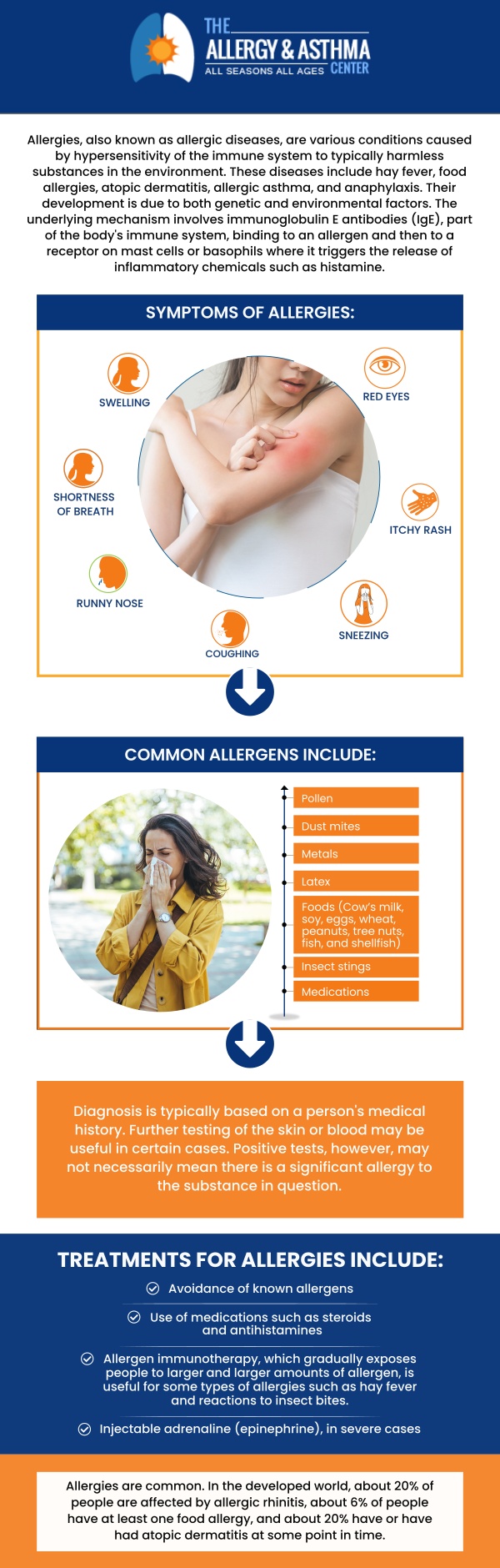
Table of Contents:
What are the most effective topical treatments for allergy rashes?
Can antihistamines help relieve allergy rash symptoms?
How does cooling therapy help in managing allergy rashes?
When should you see Dr. Jon E. Stahlman for professional treatment of an allergy rash?
At the Allergy & Asthma Center in the Metro Atlanta Area, our board-certified allergists understand how uncomfortable and disruptive allergy rashes can be. Whether you’re experiencing itching, redness, or swelling, our team is here to help you find effective relief tailored to your needs.
• Topical Treatments for Allergy Rashes
For many patients, topical medications are the first line of defense. Corticosteroid creams or ointments, such as hydrocortisone, are commonly recommended to reduce inflammation and itching. These are available over-the-counter for mild reactions, while stronger, prescription-strength options may be necessary for more severe rashes. Our providers can determine the most appropriate treatment based on the severity of your symptoms and your medical history.
For those with sensitive skin or mild symptoms, non-steroidal options like calamine lotion or specific topical antihistamines can provide soothing relief. However, it’s important to note that topical antihistamines (e.g., diphenhydramine cream) should be used with caution, as they may worsen irritation or trigger further allergic reactions in some individuals. Before starting any new topical product, our staff can provide expert guidance on what’s safest for you.
• Restoring Skin Health
Moisturizers and emollients play a key role in managing allergy rashes by helping to repair the skin barrier and prevent further irritation. Products containing ceramides, colloidal oatmeal, or petrolatum are especially effective, and our allergy specialists can recommend trusted brands suitable for your skin type.
If your rash is the result of direct contact with an allergen, washing the affected area with mild soap and cool water as soon as possible can help remove any residual allergens and may reduce the severity of the reaction. Our team can also help you identify potential triggers and develop a personalized allergy management plan.
• When to Seek Professional Care
It’s important to avoid scratching the rash to prevent additional irritation or secondary infections. If over-the-counter treatments don’t provide relief, or if your rash is severe, spreading, or associated with other symptoms like fever or difficulty breathing, prompt medical attention is essential. The Allergy & Asthma Center in Metro Atlanta is equipped to diagnose the underlying cause and provide advanced treatments, including stronger topical or oral medications when necessary.
If you’re experiencing an allergy rash such as hives (urticaria) or contact dermatitis, taking an oral antihistamine—like cetirizine, loratadine, or diphenhydramine—can significantly reduce itching and discomfort. Some of these medications are available over-the-counter, but it’s important to choose the right one for your needs, as some may cause drowsiness.
While antihistamines can help manage the symptoms, they don’t address the underlying cause. That’s why our specialists at the Allergy & Asthma Center focus on identifying your specific triggers and developing a personalized allergy management plan. In certain cases, additional treatments like topical corticosteroids or prescription medications may be necessary, especially if your rash is severe, persistent, or doesn’t respond to initial treatment.
If you notice serious symptoms such as difficulty breathing, swelling of the face or throat, or a rapidly spreading rash, seek emergency medical care immediately—these could be signs of a severe allergic reaction (anaphylaxis).
For expert guidance and personalized care, schedule an appointment with one of our board-certified allergists at the Allergy & Asthma Center in the Metro Atlanta Area. We’re here to help you find relief and improve your quality of life.
At Allergy & Asthma Center, serving the Metro Atlanta community, we understand how uncomfortable allergy rashes can be for our patients. One simple yet effective home remedy we often recommend is cooling therapy—the use of cold compresses or cool water applied directly to the affected skin.
During an allergic reaction, the skin may become red, swollen, and intensely itchy due to the body’s release of histamines. This inflammation increases blood flow and can cause significant discomfort. Applying a cold compress helps by constricting blood vessels, which reduces swelling and redness. The cooling effect also numbs nerve endings, providing quick relief from itching and irritation. Additionally, it may help slow the release of histamines locally, further easing your symptoms.
While cooling therapy can be a helpful first step in managing allergy rashes, it is not a substitute for medical treatment. For patients in the Metro Atlanta area, we recommend using cooling therapy alongside prescribed medications such as antihistamines or topical treatments provided by your allergy specialist. If your rash worsens, persists, or is accompanied by other symptoms—such as difficulty breathing or swelling of the face—seek immediate medical attention.
At Allergy & Asthma Center-Metro Atlanta Area, our team is here to provide you with personalized care and expert advice for managing all types of allergic reactions. If you have questions or concerns about allergy rashes or their treatment, don’t hesitate to contact us for an appointment.
If you are experiencing an allergic rash, it’s important to know when to seek professional care. At Allergy & Asthma Center in the Metro Atlanta area, our board-certified allergists, Dr. Jon E. Stahlman, MD, and Dr. Deidre D. Crocker, MD, is here to help you manage and treat troublesome skin reactions. You should consider scheduling an appointment with one of our board-certified allergists if you notice your rash is spreading rapidly; is accompanied by severe itching, swelling, or pain, or if it does not improve with over-the-counter remedies after several days.
It is especially important to seek immediate medical attention at our center if the rash is associated with additional symptoms such as difficulty breathing, swelling of the face or throat, dizziness, or a feeling of faintness, as these could be signs of a serious allergic reaction (anaphylaxis) requiring urgent care. Chronic or recurrent rashes, those that become infected (showing increased redness, warmth, pus, or fever), or rashes that interfere with your daily activities and comfort should also be evaluated by our allergy specialists.
For more information, please contact us or book an appointment online. We are conveniently located at 565 Old Norcross Rd. Lawrenceville, GA, 30046. We serve patients from Lawrenceville GA, Snellville GA, Suwanee GA, Dacula GA, Grayson GA, Duluth GA, and the surrounding areas.
Check Out Our 5 Star Reviews


Additional Allergy & Asthma Services
▸ Allergy Shots
▸ Allergy Testing
▸ Asthma
▸ Bronchodilators
▸ Drug Allergy
▸ Food Allergy
▸ Insect Allergy
▸ Nasal/Sinus Allergies
▸ Pediatric Allergy
▸ Pediatric Asthma
▸ Skin Allergy
▸ Spring Allergies


