
How to Stop a Runny Nose Instantly?
A runny nose can be caused by allergies, colds, or irritants, but there are several ways to stop it instantly. Using a saline nasal spray, inhaling steam, or applying a warm compress can help clear nasal passages and reduce symptoms. Dr. Jon E. Stahlman, MD, advises his patients on effective, immediate remedies for a runny nose, ensuring they receive the most suitable treatment based on the cause of their symptoms. For more information, contact us or schedule an appointment online. We are conveniently located at 2987 Clairmont Rd #175, Atlanta, GA 30329.
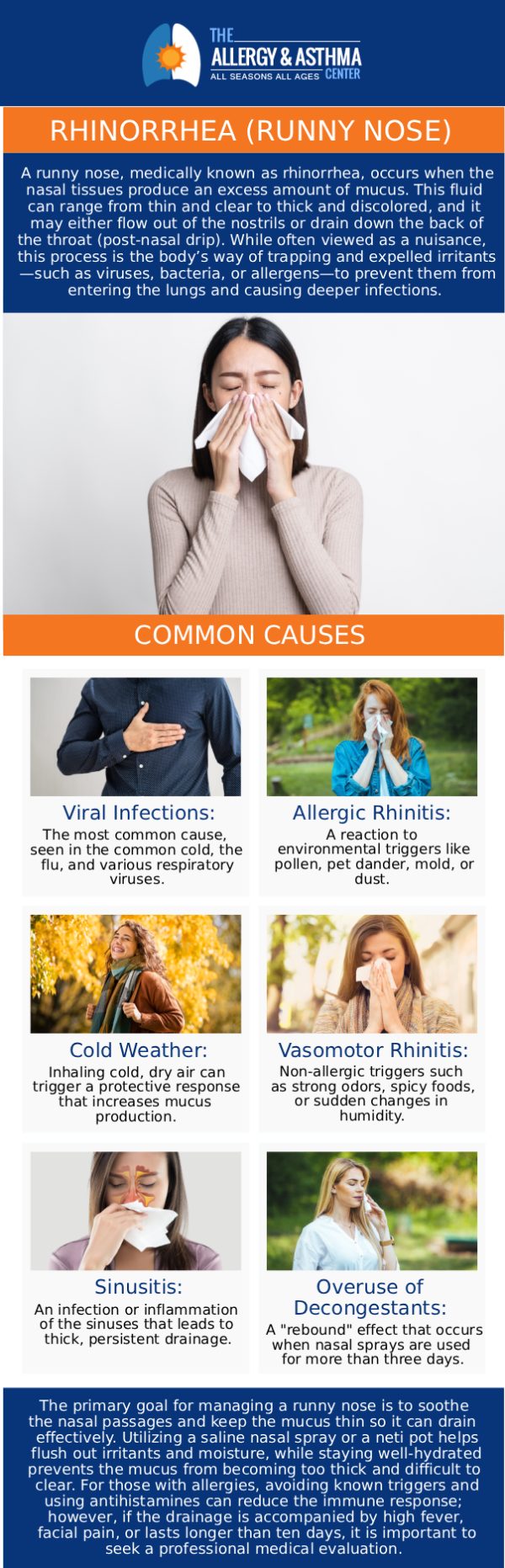
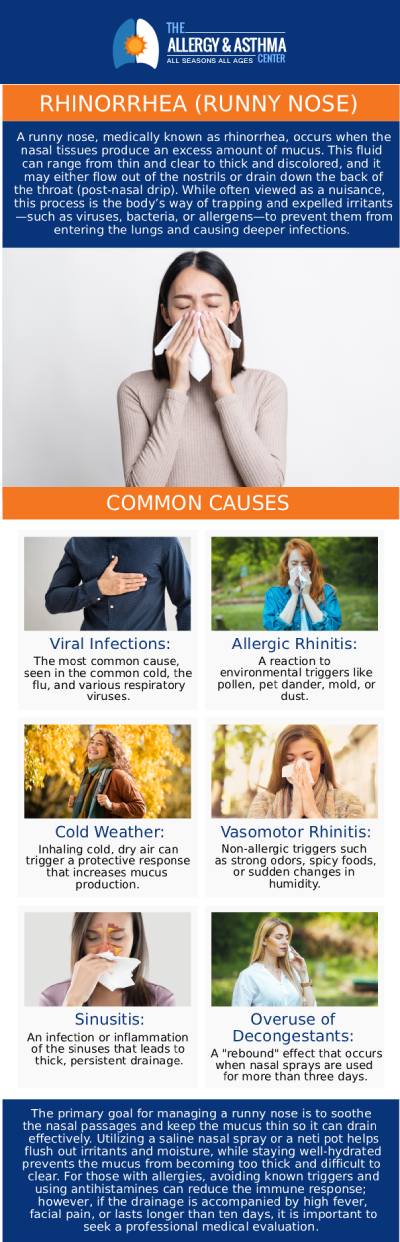
Table of Contents:
What are the quickest ways to stop a runny nose?
Does blowing my nose help stop a runny nose instantly?
Can a decongestant help stop a runny nose instantly?
When should I see Dr. Jon E. Stahlman for a runny nose that won’t stop?
When dealing with a runny nose, several quick solutions can help alleviate the symptoms. One of the simplest ways is to use a saline nasal spray. Saline helps to moisten the nasal passages, clear out mucus, and reduce irritation. You can also use a neti pot to rinse out your sinuses, which can provide immediate relief. Just be sure to use distilled or sterilized water to avoid any infections.
Another quick method is applying a warm compress to the nose and sinuses. The warmth can help open up the nasal passages, allowing mucus to drain more easily. This can offer immediate relief, especially if the runny nose is due to sinus congestion.
Over-the-counter antihistamines or decongestants can also be effective, particularly if your runny nose is caused by allergies. These medications help reduce the production of mucus. If you’re experiencing a runny nose due to a cold or flu, staying hydrated and using over-the-counter medications designed to address those symptoms can also help.
If you’re dealing with a persistent or severe runny nose, visiting the Allergy & Asthma Center can help pinpoint the cause and recommend treatments tailored to your needs.
Blowing your nose can provide temporary relief from a runny nose, but it typically does not stop it instantly. When you blow your nose, you’re clearing out some of the mucus from your nasal passages, which can help you breathe more easily for a short time. However, this doesn’t address the underlying cause of the runny nose, whether it’s an infection, allergies, or another issue.
In fact, blowing your nose too hard or too often can actually irritate the nasal passages and potentially lead to more mucus production. This can cause your nose to run even more after a while. Instead, it’s generally recommended to blow your nose gently to avoid causing irritation or pressure in your sinuses, which can lead to additional discomfort.
For more lasting relief, other treatments like saline sprays, nasal decongestants, or antihistamines may be necessary, depending on the underlying cause of your runny nose. If your symptoms persist and you continue to experience frequent or severe runny noses, it’s a good idea to consult Allergy & Asthma Center for a more thorough evaluation and tailored treatment plan.
A decongestant can provide quick relief for a runny nose, but it typically does not stop the symptoms instantly. Decongestants work by narrowing the blood vessels in the nasal passages, which reduces swelling and helps the nasal passages clear up. This can significantly reduce the amount of mucus being produced, and you may notice relief within 30 minutes to an hour of using the medication.
However, decongestants are generally more effective at reducing nasal congestion and stuffiness, rather than directly stopping a runny nose. If your runny nose is due to allergies, a combination of decongestants and antihistamines may be necessary for more effective symptom relief. Over-the-counter options, like pseudoephedrine or phenylephrine, are commonly used, but they should be used with caution and not for prolonged periods, as they can lead to side effects like increased heart rate or blood pressure.
If you’re experiencing a runny nose caused by a viral infection like the flu or a cold, decongestants can help clear up congestion and provide some relief, but they won’t address the underlying cause of the runny nose. For persistent symptoms, it’s a good idea to visit Allergy & Asthma Center for further treatment options.
If you have a runny nose that won’t stop, it’s time to see Dr. Jon E. Stahlman, MD, at Allergy & Asthma Center when the symptoms persist for more than 10 days or worsen over time. While a runny nose can be a common symptom of a cold or allergies, if it continues beyond the typical duration or becomes more severe, it could indicate an underlying condition, such as a bacterial infection or chronic sinus issues.
If your runny nose is accompanied by other symptoms, like facial pain, fever, or yellow or green mucus, these could be signs of a bacterial infection like sinusitis, which requires medical treatment. Similarly, if you experience difficulty breathing, swelling around your eyes, or a persistent headache, it’s essential to seek medical care right away.
Chronic or frequent runny noses, especially if they are linked to environmental triggers or allergies, may require a more thorough evaluation to pinpoint the cause. Dr. Jon E. Stahlman can help determine if your runny nose is related to an allergic reaction, sinus issues, or another medical condition, and can recommend appropriate treatments to help you feel better. At Allergy & Asthma Center, we focus on providing personalized care to address your specific needs and help you manage your symptoms effectively. For more information, contact us or schedule an appointment online. We are conveniently located at 2987 Clairmont Rd #175, Atlanta, GA 30329. We serve patients from Lawrenceville GA, Atlanta GA, Conyers GA, Scottdale GA, Tucker GA, Rock Chapel Rd GA, Klondike Rd GA, Suwanee GA, Moon Place Rd GA and Dacula GA.
Check Out Our 5 Star Reviews


Additional Allergy & Asthma Services
▸ Allergy Shots
▸ Allergy Testing
▸ Asthma
▸ Bronchodilators
▸ Drug Allergy
▸ Food Allergy
▸ Insect Allergy
▸ Nasal/Sinus Allergies
▸ Pediatric Allergy
▸ Pediatric Asthma
▸ Skin Allergy
▸ Spring Allergies


