You cannot copy content of this website, your IP is being recorded
What Is Exercise-Induced Asthma?

What Is Exercise-Induced Asthma?

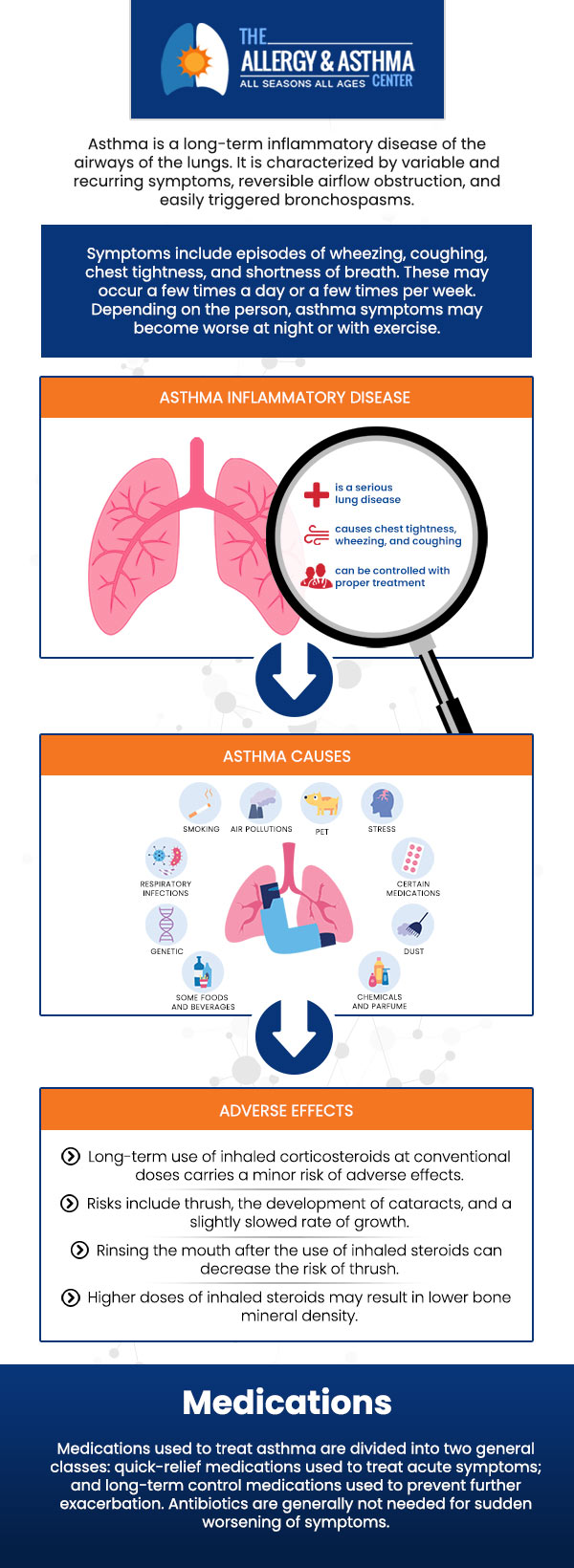
Exercise-induced asthma, also known as exercise-induced bronchoconstriction, causes the airways to narrow during or after physical activity, leading to symptoms like coughing, wheezing, shortness of breath, and chest tightness. It can affect both athletes and casual exercisers, but with proper diagnosis and treatment, symptoms can be controlled. Dr. Jon E. Stahlman, MD, at Allergy & Asthma Center, specializes in managing exercise-induced asthma to help patients stay active and breathe easier. For more information, please contact us or book an appointment online. We have convenient locations to serve you in Lawrenceville GA, Atlanta GA, and Conyers GA.

Exercise-induced asthma, also known as exercise-induced bronchoconstriction, causes the airways to narrow during or after physical activity, leading to symptoms like coughing, wheezing, shortness of breath, and chest tightness. It can affect both athletes and casual exercisers, but with proper diagnosis and treatment, symptoms can be controlled. Dr. Jon E. Stahlman, MD, at Allergy & Asthma Center, specializes in managing exercise-induced asthma to help patients stay active and breathe easier. For more information, please contact us or book an appointment online. We have convenient locations to serve you in Lawrenceville GA, Atlanta GA, and Conyers GA.

Exercise-induced asthma, also known as exercise-induced bronchoconstriction, causes the airways to narrow during or after physical activity, leading to symptoms like coughing, wheezing, shortness of breath, and chest tightness. It can affect both athletes and casual exercisers, but with proper diagnosis and treatment, symptoms can be controlled. Dr. Jon E. Stahlman, MD, at Allergy & Asthma Center, specializes in managing exercise-induced asthma to help patients stay active and breathe easier. For more information, please contact us or book an appointment online. We have convenient locations to serve you in Lawrenceville GA, Atlanta GA, and Conyers GA.

Table of Contents:

What causes exercise-induced asthma?
What are the common symptoms of exercise-induced asthma?
Can exercise-induced asthma affect athletes?
What should I do if I experience an asthma attack during exercise?
How does Dr. Jon E. Stahlman, MD, treat exercise-induced asthma?

What causes exercise-induced asthma?


At Allergy & Asthma Center, we specialize in diagnosing and managing conditions like exercise-induced asthma, also known as exercise-induced bronchoconstriction. This condition occurs when the airways in the lungs temporarily narrow during or after physical activity, making it difficult to breathe.

Exercise-induced asthma is often triggered by an increased breathing rate, particularly in cold or dry environments. This rapid breathing can cause the airways to lose heat and moisture, which may irritate and inflame the lining of the bronchial tubes. As a result, the muscles around these airways tighten, leading to symptoms such as coughing, wheezing, shortness of breath, and chest tightness—especially during or after exercise.

While individuals with underlying asthma are more likely to experience exercise-induced symptoms, it’s important to know that even those without chronic asthma can be affected. Other triggers include exposure to allergens like pollen, air pollution, or strong odors during physical activity. Poor physical conditioning and recent respiratory infections can also increase your risk.

At Allergy & Asthma Center, our experienced team is dedicated to identifying your specific triggers and creating a personalized treatment plan. Through specialized testing and tailored management strategies, we help you stay active while controlling your symptoms. If you or your child experiences breathing difficulties during exercise, contact us to schedule an evaluation and take the first step toward better respiratory health.

What are the common symptoms of exercise-induced asthma?


At the Allergy & Asthma Center, we understand how important it is to stay active while managing your respiratory health. Exercise-induced asthma—also referred to as exercise-induced bronchoconstriction—is a common condition that can make physical activity challenging for both children and adults. Typical symptoms include shortness of breath, wheezing, coughing, and chest tightness during or shortly after exercise. Some individuals may also notice unusual fatigue, decreased exercise performance, or a sensation of throat tightness and increased mucus production.

If you are experiencing these symptoms while exercising, our experienced team can help. We offer comprehensive evaluation and testing to diagnose exercise-induced asthma and develop a personalized treatment plan. With proper management, most people can maintain an active lifestyle without significant limitations.

Don’t let breathing difficulties hold you back. If you suspect you might have exercise-induced asthma, schedule an appointment with the Allergy & Asthma Center today. Our specialists are here to help you breathe easier and get back to doing what you love.

Can exercise-induced asthma affect athletes?


Exercise-induced asthma, also known as exercise-induced bronchoconstriction (EIB), is a common condition that can significantly affect athletes of all levels. At the Allergy & Asthma Center, we understand how important it is for athletes to perform at their best and enjoy an active lifestyle. EIB occurs when the airways in the lungs narrow during or after physical activity, leading to symptoms such as coughing, wheezing, chest tightness, and shortness of breath. These symptoms often appear a few minutes after starting exercise and may continue or worsen shortly after stopping.

Athletes, especially those involved in endurance sports like running, cycling, swimming, or cross-country skiing, are more likely to experience EIB. This is due to increased breathing rates and inhalation of larger amounts of cool, dry air during intense exercise, which can irritate sensitive airways. Even elite athletes can be affected, and EIB can interfere with training, competition, and overall performance.

At the Allergy & Asthma Center, our experienced physicians specialize in the diagnosis and management of exercise-induced asthma. We use comprehensive lung function testing and personalized assessments to create tailored asthma action plans for each patient. With the right management—which may include inhaled bronchodilators before exercise, effective warm-up routines, and ongoing monitoring—most athletes with EIB can control their symptoms and continue to compete safely and confidently.

What should I do if I experience an asthma attack during exercise?


At the Allergy & Asthma Center, your safety and well-being are our top priorities. If you experience an asthma attack during exercise, it’s important to act quickly to control your symptoms:

● Stop exercising immediately and try to remain calm, as anxiety can make symptoms worse.

● Use your quick-relief inhaler (such as albuterol) as prescribed by your Allergy & Asthma Center provider.
Generally, this means taking 1–2 puffs and waiting a few minutes to see if your breathing improves.

● If you don’t feel better or your symptoms get worse, you may take additional puffs as directed in your personalized asthma action plan from our office.

● Move to a safe, comfortable environment and sit upright to ease your breathing. Take slow, steady breaths and avoid lying down.

● Follow your Asthma Action Plan given to you by our provider. This plan is tailored to your needs and provides clear steps for managing an asthma attack.

If your symptoms do not improve after using your inhaler, or if you have trouble speaking, notice your lips or face turning blue, or feel faint, seek emergency medical attention immediately.

Before returning to exercise, make sure you have fully recovered and schedule a follow-up with our Allergy & Asthma Center provider. We can review your asthma management plan and discuss whether adjustments to your medication or pre-exercise preparation are necessary to help prevent future attacks.

How does Dr. Jon E. Stahlman, MD, treat exercise-induced asthma?


At the Allergy & Asthma Center, our team—led by experienced physicians like Dr. Jon E. Stahlman, MD—takes a comprehensive approach to the treatment of exercise-induced asthma, focusing on both prevention and effective symptom management. We begin by confirming the diagnosis through a detailed patient history and, when necessary, pulmonary function testing to assess airway responsiveness during exercise.

Once exercise-induced asthma is identified, our providers work closely with each patient to educate them on avoiding known triggers and developing a personalized exercise plan. This often includes recommendations for proper warm-up and cool-down routines to minimize asthma symptoms during physical activity.

For medical management, the Allergy & Asthma Center team often recommends a short-acting bronchodilator, such as albuterol, to be used about 15 minutes before exercise. This helps open the airways and prevent bronchospasm during workouts. For patients experiencing more frequent or persistent symptoms, we may prescribe inhaled corticosteroids or leukotriene receptor antagonists to help reduce airway inflammation and provide long-term control.

Patient education is central to our care philosophy. We empower our patients to recognize early warning signs of asthma attacks, use inhalers correctly, and understand when to seek further medical attention. Our team regularly collaborates with patients to adjust their treatment plans as needed, ensuring they can safely and confidently participate in physical activities while keeping their asthma well controlled.

For more information, please contact us or book an appointment online. We have convenient locations to serve you in Lawrenceville GA, Atlanta GA, and Conyers GA.We serve patients from Lawrenceville GA, Atlanta GA, Conyers GA, Scottdale GA, Tucker GA, Rock Chapel Rd GA, Klondike Rd GA, Suwanee GA, Moon Place Rd GA and Dacula GA.

What causes exercise-induced asthma?

At Allergy & Asthma Center, we specialize in diagnosing and managing conditions like exercise-induced asthma, also known as exercise-induced bronchoconstriction. This condition occurs when the airways in the lungs temporarily narrow during or after physical activity, making it difficult to breathe.

Exercise-induced asthma is often triggered by an increased breathing rate, particularly in cold or dry environments. This rapid breathing can cause the airways to lose heat and moisture, which may irritate and inflame the lining of the bronchial tubes. As a result, the muscles around these airways tighten, leading to symptoms such as coughing, wheezing, shortness of breath, and chest tightness—especially during or after exercise.

While individuals with underlying asthma are more likely to experience exercise-induced symptoms, it’s important to know that even those without chronic asthma can be affected. Other triggers include exposure to allergens like pollen, air pollution, or strong odors during physical activity. Poor physical conditioning and recent respiratory infections can also increase your risk.

At Allergy & Asthma Center, our experienced team is dedicated to identifying your specific triggers and creating a personalized treatment plan. Through specialized testing and tailored management strategies, we help you stay active while controlling your symptoms. If you or your child experiences breathing difficulties during exercise, contact us to schedule an evaluation and take the first step toward better respiratory health.

What are the common symptoms of exercise-induced asthma?

At the Allergy & Asthma Center, we understand how important it is to stay active while managing your respiratory health. Exercise-induced asthma—also referred to as exercise-induced bronchoconstriction—is a common condition that can make physical activity challenging for both children and adults. Typical symptoms include shortness of breath, wheezing, coughing, and chest tightness during or shortly after exercise. Some individuals may also notice unusual fatigue, decreased exercise performance, or a sensation of throat tightness and increased mucus production.

If you are experiencing these symptoms while exercising, our experienced team can help. We offer comprehensive evaluation and testing to diagnose exercise-induced asthma and develop a personalized treatment plan. With proper management, most people can maintain an active lifestyle without significant limitations.

Don’t let breathing difficulties hold you back. If you suspect you might have exercise-induced asthma, schedule an appointment with the Allergy & Asthma Center today. Our specialists are here to help you breathe easier and get back to doing what you love.

Can exercise-induced asthma affect athletes?

Exercise-induced asthma, also known as exercise-induced bronchoconstriction (EIB), is a common condition that can significantly affect athletes of all levels. At the Allergy & Asthma Center, we understand how important it is for athletes to perform at their best and enjoy an active lifestyle. EIB occurs when the airways in the lungs narrow during or after physical activity, leading to symptoms such as coughing, wheezing, chest tightness, and shortness of breath. These symptoms often appear a few minutes after starting exercise and may continue or worsen shortly after stopping.

Athletes, especially those involved in endurance sports like running, cycling, swimming, or cross-country skiing, are more likely to experience EIB. This is due to increased breathing rates and inhalation of larger amounts of cool, dry air during intense exercise, which can irritate sensitive airways. Even elite athletes can be affected, and EIB can interfere with training, competition, and overall performance.

At the Allergy & Asthma Center, our experienced physicians specialize in the diagnosis and management of exercise-induced asthma. We use comprehensive lung function testing and personalized assessments to create tailored asthma action plans for each patient. With the right management—which may include inhaled bronchodilators before exercise, effective warm-up routines, and ongoing monitoring—most athletes with EIB can control their symptoms and continue to compete safely and confidently.

What should I do if I experience an asthma attack during exercise?

At the Allergy & Asthma Center, your safety and well-being are our top priorities. If you experience an asthma attack during exercise, it’s important to act quickly to control your symptoms:

  • Stop exercising immediately and try to remain calm, as anxiety can make symptoms worse.
  • Use your quick-relief inhaler (such as albuterol) as prescribed by your Allergy & Asthma Center provider. Generally, this means taking 1–2 puffs and waiting a few minutes to see if your breathing improves.
  • If you don’t feel better or your symptoms get worse, you may take additional puffs as directed in your personalized asthma action plan from our office.
  • Move to a safe, comfortable environment and sit upright to ease your breathing. Take slow, steady breaths and avoid lying down.
  • Follow your Asthma Action Plan given to you by our provider. This plan is tailored to your needs and provides clear steps for managing an asthma attack.

If your symptoms do not improve after using your inhaler, or if you have trouble speaking, notice your lips or face turning blue, or feel faint, seek emergency medical attention immediately.

Before returning to exercise, make sure you have fully recovered and schedule a follow-up with our Allergy & Asthma Center provider. We can review your asthma management plan and discuss whether adjustments to your medication or pre-exercise preparation are necessary to help prevent future attacks.

How does Dr. Jon E. Stahlman, MD, treat exercise-induced asthma?

At the Allergy & Asthma Center, our team—led by experienced physicians like Dr. Jon E. Stahlman, MD—takes a comprehensive approach to the treatment of exercise-induced asthma, focusing on both prevention and effective symptom management. We begin by confirming the diagnosis through a detailed patient history and, when necessary, pulmonary function testing to assess airway responsiveness during exercise.

Once exercise-induced asthma is identified, our providers work closely with each patient to educate them on avoiding known triggers and developing a personalized exercise plan. This often includes recommendations for proper warm-up and cool-down routines to minimize asthma symptoms during physical activity.

For medical management, the Allergy & Asthma Center team often recommends a short-acting bronchodilator, such as albuterol, to be used about 15 minutes before exercise. This helps open the airways and prevent bronchospasm during workouts. For patients experiencing more frequent or persistent symptoms, we may prescribe inhaled corticosteroids or leukotriene receptor antagonists to help reduce airway inflammation and provide long-term control.

Patient education is central to our care philosophy. We empower our patients to recognize early warning signs of asthma attacks, use inhalers correctly, and understand when to seek further medical attention. Our team regularly collaborates with patients to adjust their treatment plans as needed, ensuring they can safely and confidently participate in physical activities while keeping their asthma well controlled.


For more information, please contact us or book an appointment online. We have convenient locations to serve you in Lawrenceville GA, Atlanta GA, and Conyers GA.We serve patients from Lawrenceville GA, Atlanta GA, Conyers GA, Scottdale GA, Tucker GA, Rock Chapel Rd GA, Klondike Rd GA, Suwanee GA, Moon Place Rd GA and Dacula GA.

get-directions

get-directions

Our Locations

Lawrenceville, GA

  • 565 Old Norcross Rd. Lawrenceville, GA, 30046
  • View Details

Atlanta, GA

Conyers, GA

  • 1755 Parker Rd, Suite A120 Conyers, GA, 30094
  • View Details

Directions To Nearest
Allergy & Asthma Center Location